
Understanding TIF in West Des Moines: What It Is and How It Works
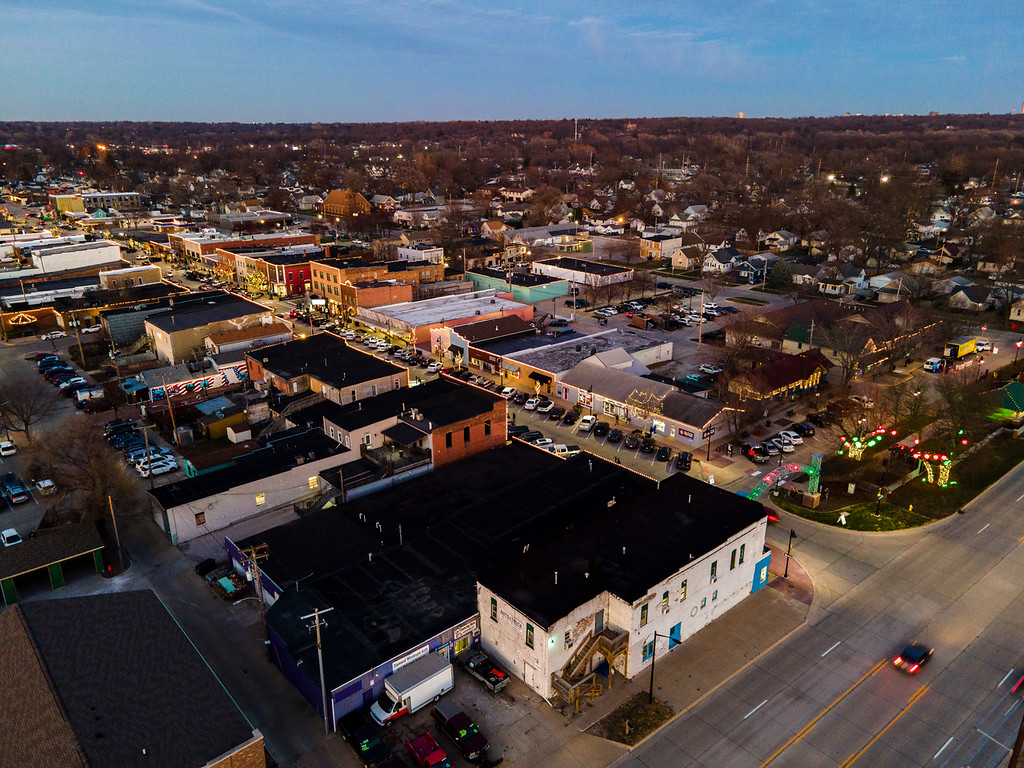
If you’ve ever wondered how West Des Moines encourages new development without raising taxes, the answer often involves TIF—Tax Increment Financing. While it sounds complex, the concept is actually pretty straightforward once you break it down.
What Is TIF?
TIF is a tool cities use to encourage growth and redevelopment in specific areas. When a city creates a TIF district, it essentially freezes the property tax value at its current level. Any increase in property value—like when a new building or business comes in—creates additional tax revenue, called the increment. That increment is then reinvested in the district to fund improvements like roads, parks, or utilities.
In simple terms: TIF helps West Des Moines grow while making sure new projects pay for themselves.
Why Does West Des Moines Use TIF?
West Des Moines uses TIF to:
- Attract new businesses and developments that might not happen otherwise.
- Revitalize older areas that need investment.
- Support infrastructure improvements without raising taxes on existing residents.
How Does It Affect You?
You might wonder: “Am I paying more in taxes because of TIF?” The short answer is no. TIF doesn’t increase your current property taxes—it simply channels new tax revenue from rising property values back into local improvements.
Examples in Our Community
Some TIF-funded projects in West Des Moines include:
- Redevelopment of commercial corridors.
- New residential developments in growing neighborhoods.
- Improvements to streets, parks, and public spaces that make our city more livable.
The Takeaway
TIF is one of the ways West Des Moines invests in its future, creating vibrant neighborhoods and supporting local businesses. While it may sound complicated, at its heart, TIF is just about using growth to pay for growth—helping our community thrive without burdening current residents.